About the Exhibition
The exhibition is composed of documentary photographs and thematic objects carefully preserved in the museum’s collections since its founding. Its concept evolved over nearly half a year, combining historical memory, documentary and oral testimonies, and contemporary reflections on the events.
The exhibition emphasizes the stark contrast between the concept of the “peaceful atom” and “peaceful life” and the reality of the Chernobyl disaster. It encourages reflection on how official rhetoric about the “peaceful atom” was directly contradicted by the tragedy of real events.
At the center of the exhibition is a reconstructed Nuclear Control Panel (NCP), featuring all the elements used to operate a power unit. From this location, operators controlled the reactor, turbine, and generator: startup procedures, power adjustments, synchronization of generators, and remote management of safety systems. The panel includes numerous instruments and schematic displays of reactor status. A model of the AZ-5 button is presented on the control desk. This emergency shutdown button, when pressed on the night of April 26, triggered a sudden power surge and the first explosion. Nearby is a white lab coat – part of an operator’s protective uniform – alongside a personal dosimeter (DKP-50A) used to monitor radiation exposure of plant staff.
The walls of the exhibition hall present a visual chronicle of events, featuring documentary photographs from the State Archives of Kyiv, works by Ukrainian photojournalist Igor Kostin, and materials from private archives of local liquidators.
The photographs recreate the atmosphere of the first days after the accident, showing tension, uncertainty, hidden danger, and the striking contrast with peaceful life in April–May 1986. They also document the work of the consolidated fire brigade unit from the Poltava region, including liquidators from Horishni Plavni. A separate section presents later stages, including the construction of the “Shelter” (Object “Ukryttia”), press conferences with scientists, liquidators, and government representatives.
Many photographs are complemented by authentic period objects. A liquidator transporting belongings in an abandoned baby stroller is paired with the original stroller of that time. Dosimetrists measuring radiation levels in the field are shown alongside a real DP-5 dosimeter. A 1980s bicycle is displayed next to a photo of the 39th International Peace Cycling Race on Khreshchatyk in Kyiv. The festive atmosphere of a May Day parade is symbolized by a girl with balloons and a flag moving within the demonstration column.
One of the central thematic blocks is dedicated to firefighters, who played a crucial role in confronting the disaster. The museum display includes documentary evidence such as passes to the Chernobyl exclusion zone and commemorative awards given to liquidators from Horishni Plavni.
The exhibition aims to preserve historical memory, honor the heroism of the liquidators, and promote a responsible understanding of contemporary challenges.

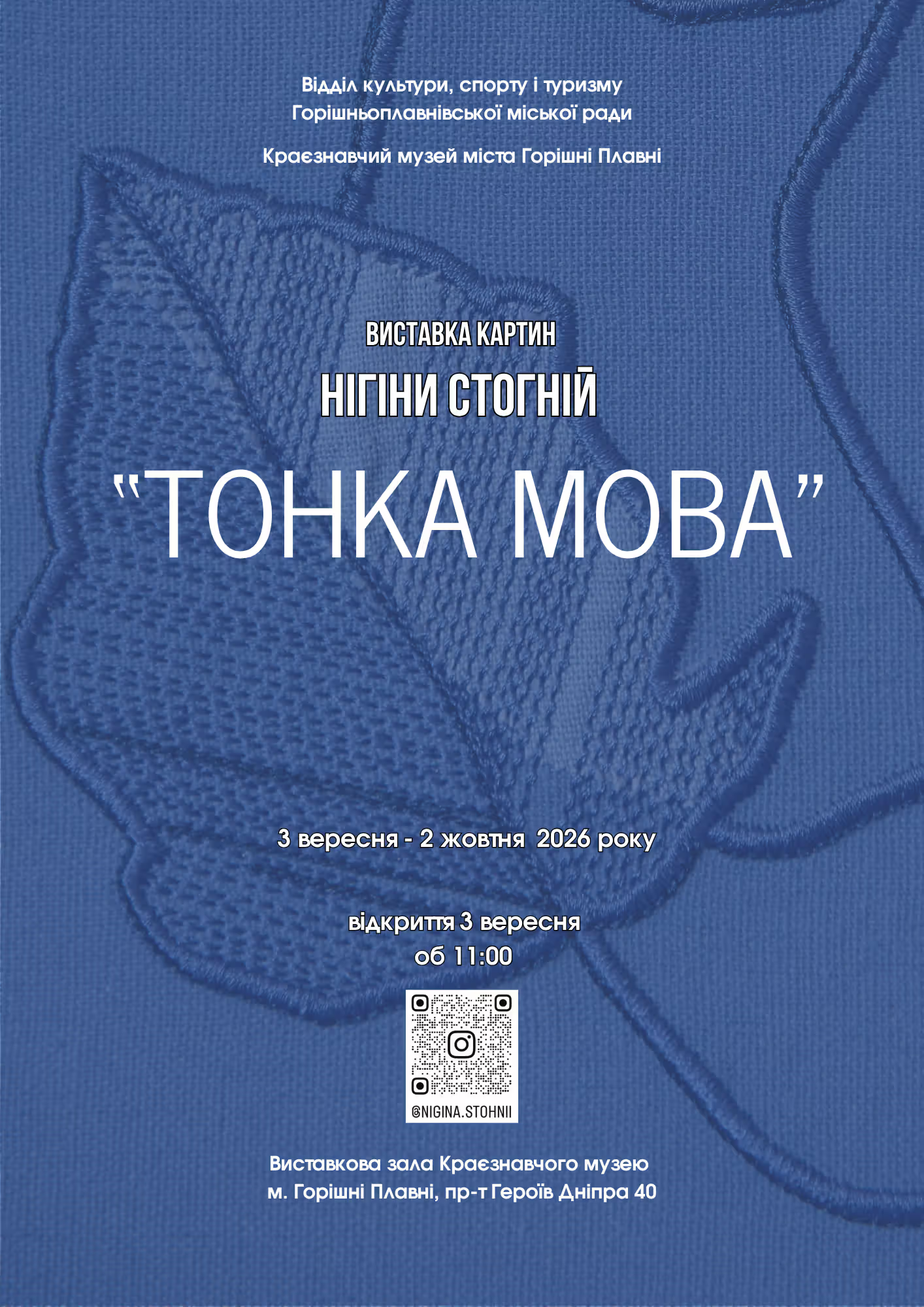 Temporary
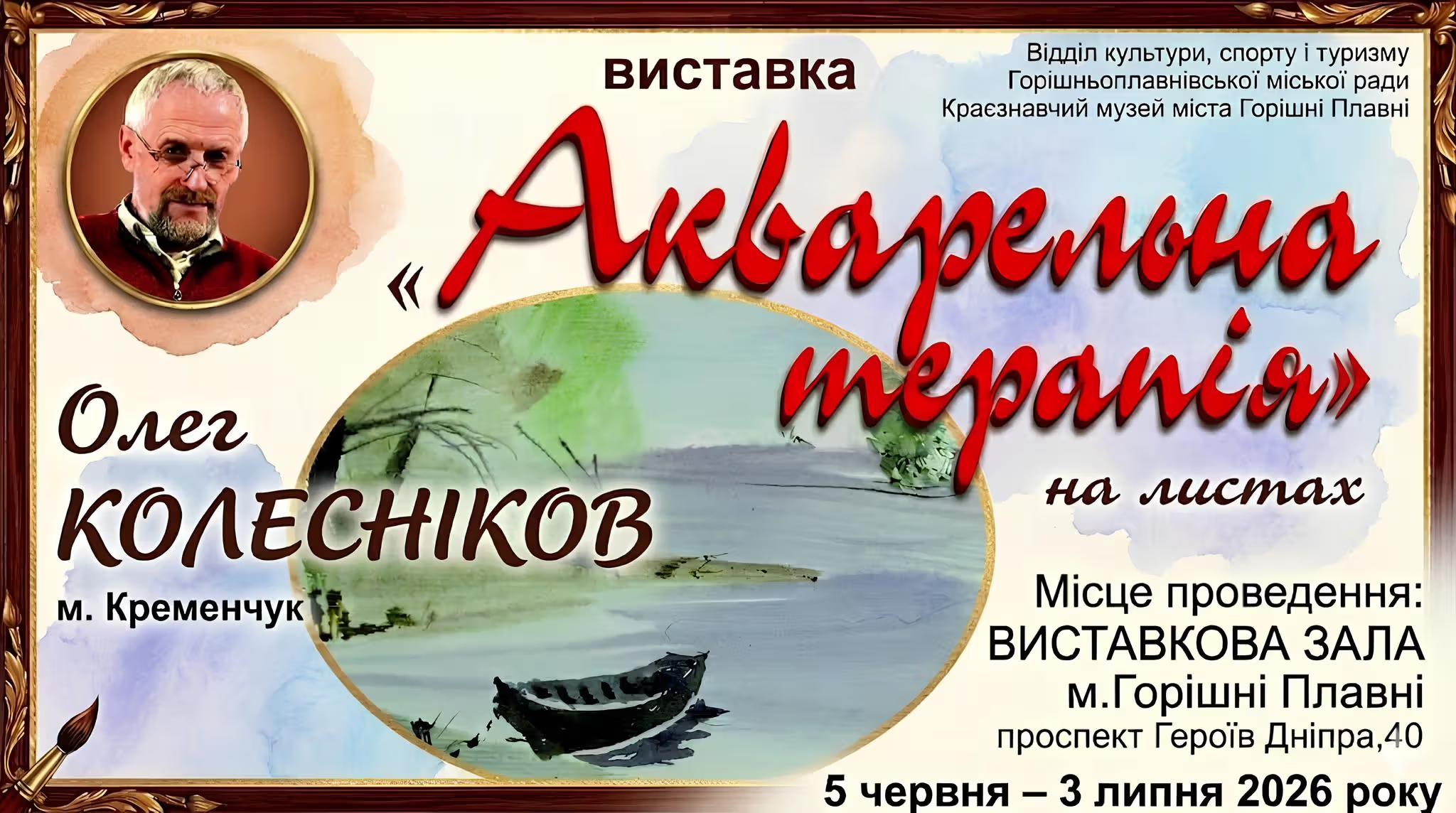 Temporary
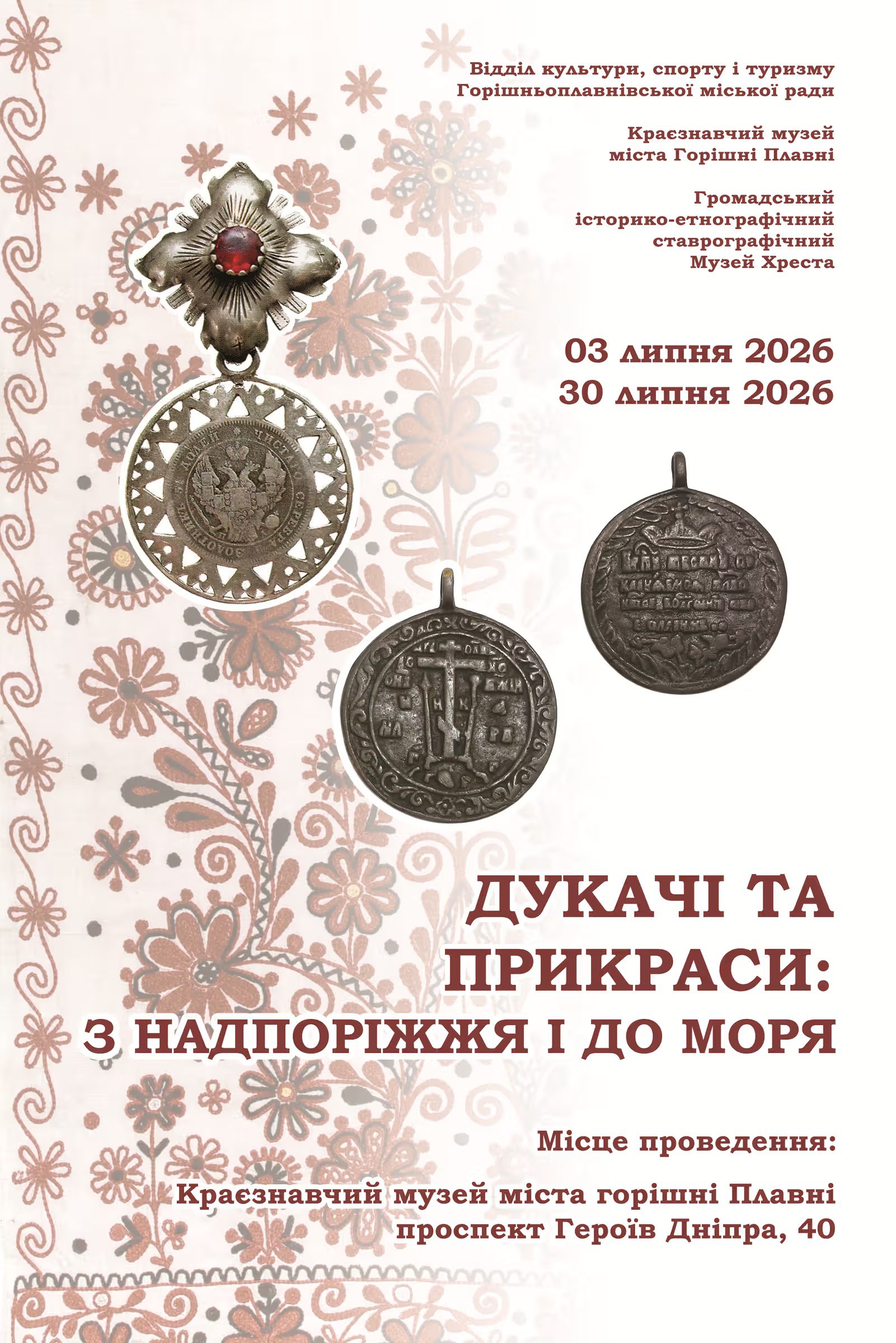 Temporary
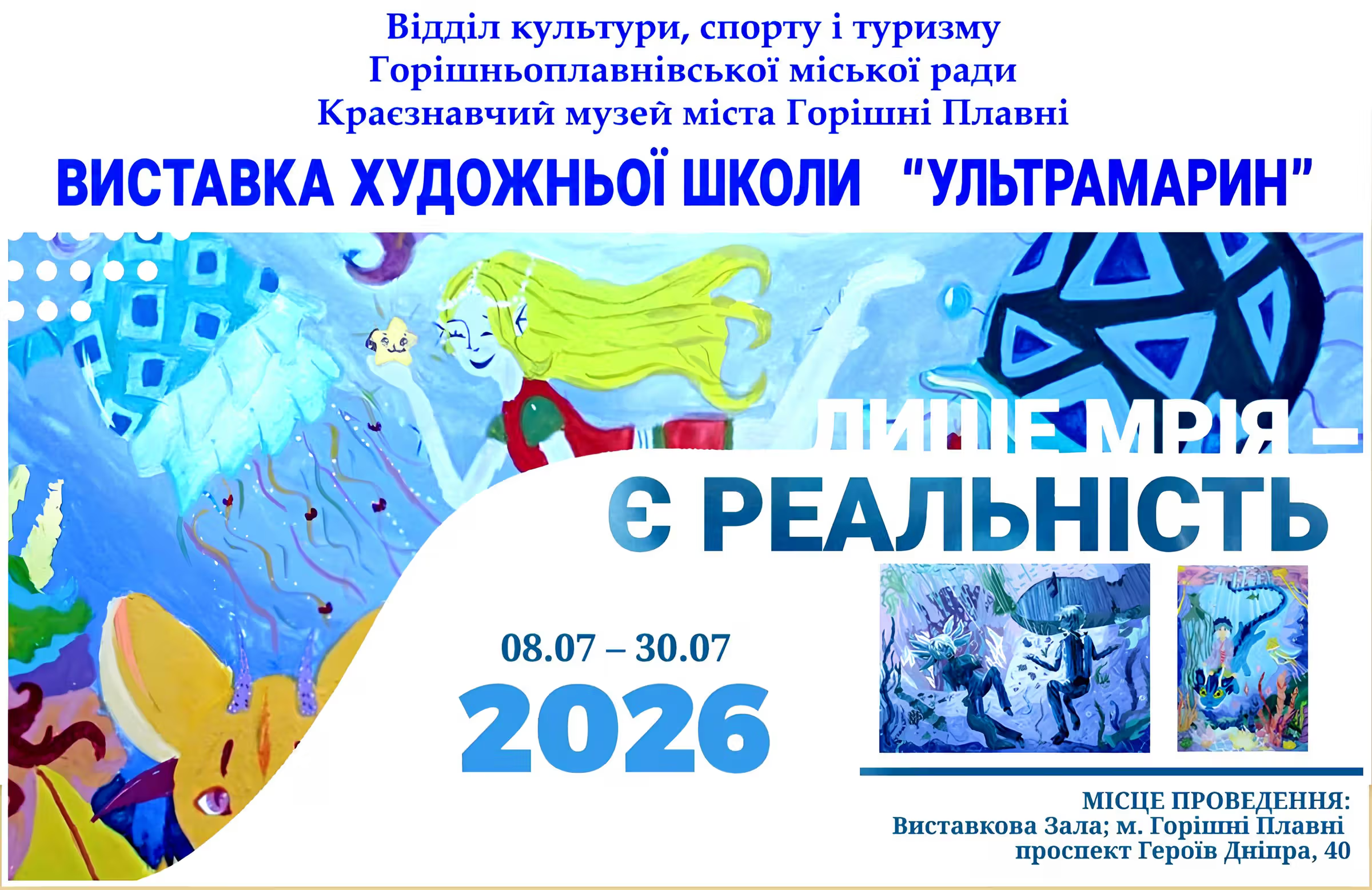 Temporary